Cultivating High Performance: Focus, Flow and the Inner Conditions for Excellence




This article explores what high performance really means, and how cultivating mindfulness and flow can help individuals sustain focus, energy and excellence without burnout.
In today’s fast-paced world, achieving and sustaining high performance is often seen as essential for success. Yet high performance is frequently misunderstood as doing more, faster. In reality, it is about working at our highest level of focus, capability and energy, without depleting ourselves in the process.
This state of excellence does not happen by accident. It requires the intentional cultivation of both our external environment and our inner condition.
Most of us have experienced moments of exceptional performance. Times when our actions feel effortless, we are fully absorbed in what we are doing, and time seems to fall away. This is known as a flow state, and it offers important clues about how high performance truly works.
Flow is often characterised by:
• A suspension or distortion of time
• Effortless presence
• Full focus on the task at hand
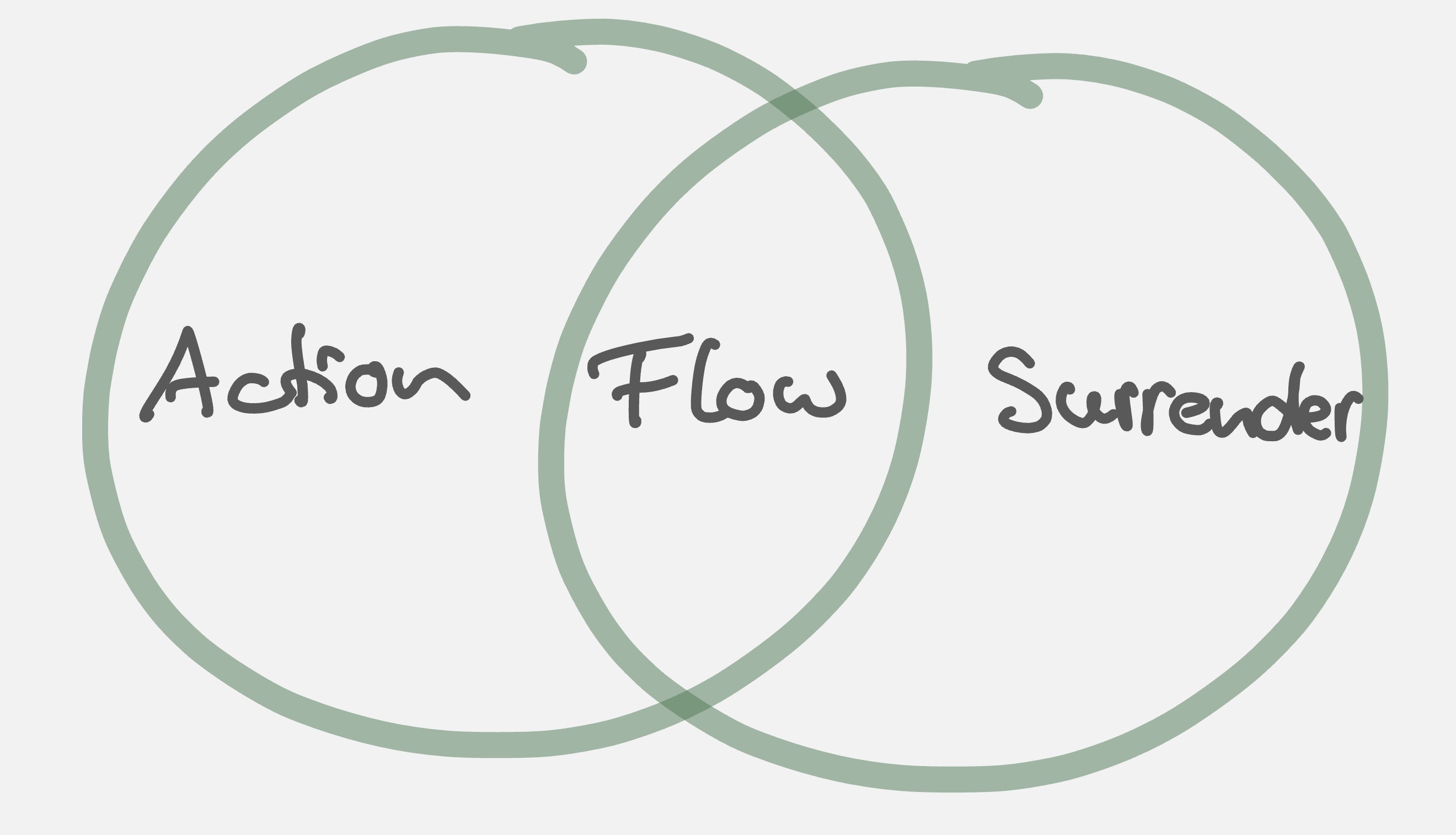
To access this state more consistently, we need to understand the delicate balance between action and surrender.
High performance begins with choosing to act fully in the present moment, bringing deliberate focus to the task we have committed to while simultaneously letting go of attachment to the outcome. When we surrender concern about results and place our attention entirely on the action itself, flow becomes possible.
The key is not striving harder but releasing our grip on the outcome.
When Usain Bolt was asked after running his 100-metre world record whether he was thinking about winning while running, he replied:
“I was just focusing on running my own race. I didn’t really think about winning too much. I just wanted to run fast and do my best.”
Thankfully, we do not need to be elite athletes to cultivate high performance. Through neuroplasticity, the brain’s ability to form new neural connections we can all train our capacity for focus and presence. This takes persistence, courage and practice; repeatedly choosing to pay attention at will, even when it feels uncomfortable.
The quality of our attention directly shapes the quality of our performance.
Mindfulness, the practice of being aware and present in the moment is a powerful way of strengthening this capacity. Through mindfulness meditation and everyday mindful awareness, we can train ourselves to notice distractions without being driven by them. While we cannot control which thoughts arise, we can choose which ones we give our attention and energy to.
Practical exercises for cultivating high performance
• Mindfulness meditation
Set aside 10–15 minutes each day for a formal meditation practice. Focus on your breath and, when your mind wanders, gently bring it back. You may choose to use a guided practice via an app such as Insight Timer, which offers free options.
• Everyday mindfulness
Throughout the day, bring full attention to ordinary activities such as eating, walking, listening, or working. Notice when your attention drifts and gently return to what you are doing.
• Review your progress
Before you begin, rate your ability to focus, pay attention and be present at will on a scale of 1–10. Practice the exercises above daily for one week. At the end of the week, rate yourself again and reflect on any changes you notice.
By cultivating our individual capacity for focus and presence, we lay the foundations for sustainable high performance.
Yet excellence does not exist in isolation. Individual capability flourishes most fully when supported by collective conditions; relationships, cultures and systems that value presence, clarity and purpose.
Developing these inner skills is therefore not only a personal practice, but an essential building block for healthier teams and organisations.