Shaping the Future Through How We Lead



This reflective piece explores how the future is shaped not only by what we do, but by how we show up. It invites leaders to work with complexity through presence, responsibility and conscious ways of being and to recognise the ripple effect this has on relationships, culture and systems.
Writing is one way I make sense of the world and of my own responses to it. My hope is that these reflections offer something useful and thought‑provoking as we build on each other’s ideas and practices.
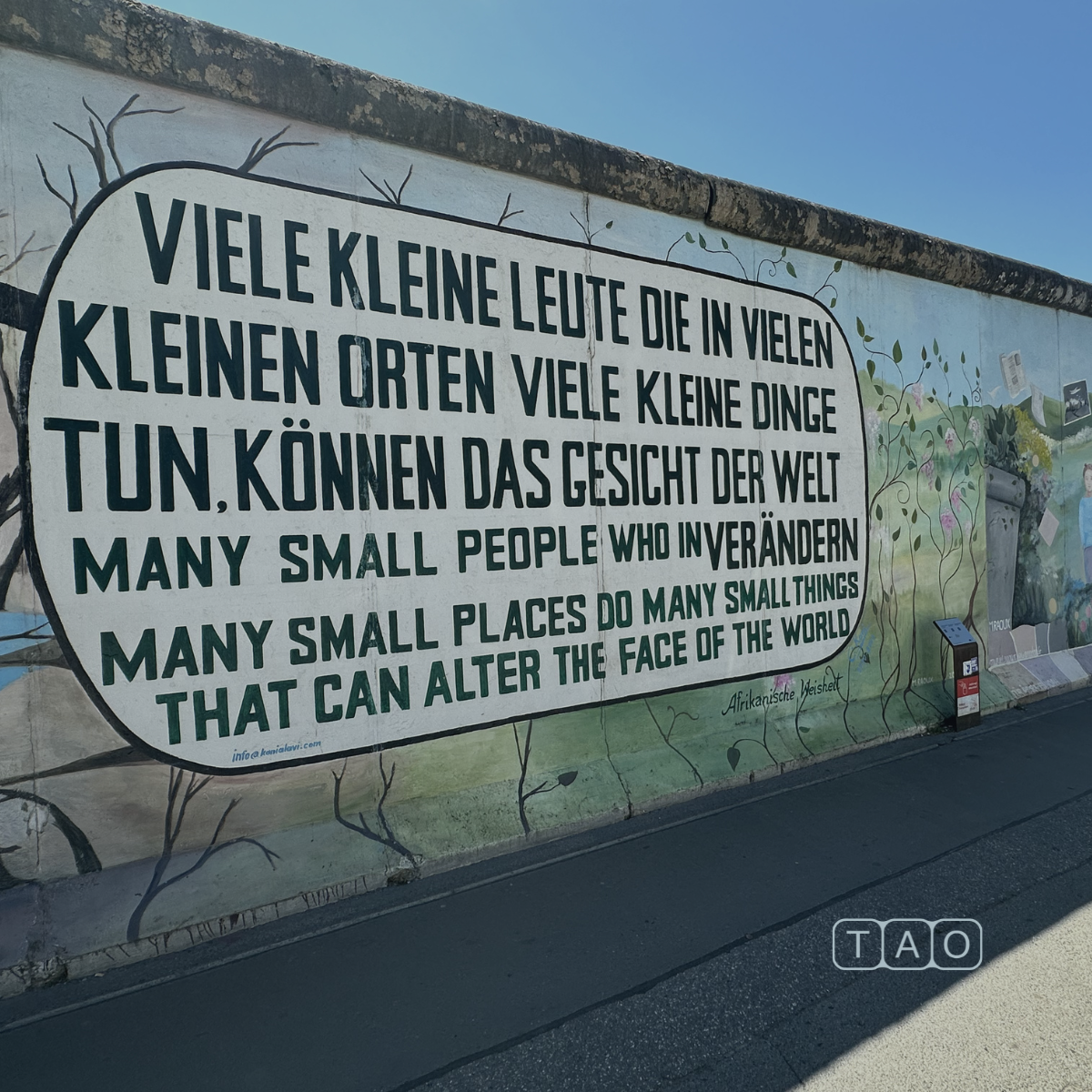
Over time, I have been drawn more deeply into the relationship between the state of the world (however wide or close a lens we take) and our capacity to influence change through our way of being. It can sound small, even naïve, in the face of global complexity, yet I have come to see our way of being as one of the most powerful resources we have.
As organisational leaders, team members and culture shapers, we hold a unique responsibility. How we show up has an outsized impact not only on results, but on people, relationships, and the wider systems we are part of.
We live indifficult times. There are moments when the weight of the world feels heavy; overwhelming even. Escaping into work, hobbies or a Netflix binge can be a welcome relief, though often it quietly deepens a sense of helplessness or apathy.
But what if each of us is precisely where we need to be right now?
What if our purpose is not elsewhere, but here, contributing to and co‑creating the future through how we engage with the world as it is?
We may not yet fully recognise our capacity for change. But we can begin together.
It is in our shared humanity that we find ways to contribute to a future that allows life, human and more‑than‑human to thrive.
Some suggest that creating change requires dramatic life shifts; leaving our jobs or radically reinventing our lives. For a few, this may be right. For most, it is neither realistic nor necessary.
The most powerful shift is often not what we do differnetly, but how we do things.
By transforming our approach to daily life and work, we begin to embody the future we want to create. One that supports future generations, nature and living systems.
This calls us to reconnect with our own interior life and to come together in different ways.
While many systems reward individual success, the future is created here and now through:
- The quality of our interactions with one another
- Our presence, how we show up from the inside
- The quality of our attention on what truly matters
- Our level of care for people, communities and the environment
- How we relate to our own way of being
The purpose is not to create a distant ideal future, but to embody the future in the present.
Imagine if we collectively paid closer attention to:
- How we relate to one another and to our environment
- How we co‑create, co‑shape and co‑experience the world
Even small shifts in awareness can create disproportionate impact.
Think of amoment when you changed how you engaged with someone, perhaps a colleague, a challenging stakeholder, or a stranger at the supermarket checkout.
When your way of being shifted, the quality of the interaction changed too.
This is how change spreads.
When we engage with greater presence, curiosity and care, we lift ourselves out of apathy and fear. By owning our freedom and responsibility for how we show up, we begin to inhabit this moment differently and in ways that reflect the world we want to live in.
On a practical level, this transformation involves cultivating capacities such as:
- Relating and engaging through presence
- Deep listening
- Slowing down
- Co‑creating through dialogue
- Being comfortable with ambiguity and not knowing
- Acknowledging pain and suffering, personally, organisationally and systemically
Practising these ways of being changes multiple layers of our experience:
Individualexperience
Enhancing decision‑making that considers long‑term impact and systemic consequences, rather than short‑term gain alone.
Interpersonaldynamics
Building trust, strengthening collaboration and navigating complex stakeholder relationships with greater ease and integrity.
Organisationalculture
Creating a ripple effect where teams mirror these behaviours, leading to more conscious, engaged and purpose‑driven cultures.
Central to this work is attending to our interior condition, our values, assumptions and inner life. Aspects often neglected in education and organisational life.
When we begin to relate differently, we create pockets of change that can influence even the largest systems.
If you want to begin integrating this way of being into daily life and leadership, these questions can support reflection and dialogue.
Self‑Awareness | Inner Presence
- What would change if I approached this moment with curiosity rather than certainty?
- What assumptions could I temporarily set aside?
- What values am I embodying here, beyond my words?
Interactions | RelationalPresence
- Am I listening to understand, or simply waiting to respond?
- Am I meeting the whole person, or my idea of them?
- What becomes possible if I assume this person has something to teach me?
Groups | Collective Awareness
- How do we balance action and reflection in our work together?
- What unspoken norms may be limiting creativity or honesty?
- How might we shift from debate to genuine dialogue?
Organisation | SystemicAwareness
- What would change if we considered the impact of decisions seven generations ahead?
- Which living systems are affected by our work but rarely named?
- How do our structures shape our thinking without us noticing?
Everyday Integration
Totranslate reflection into practice, consider:
- Which interaction today could I approach with a radically different quality of presence?
- Where can I create small pockets of pause during the day?
- How might a routine moment become an opportunity for genuine connection?
- What would it mean to treat the ordinary as meaningful?
Leadership Practices
For those in leadership roles, a few starting practices include:
- Beginning meetings with a brief pause to support presence and focus
- Creating opportunities for reverse mentoring across levels
- Holding regular purpose‑focused conversations about how work contributes to wider organisational and societal goals
We shapethe future not only through strategy and decisions, but through the quality of our presence.
Choose one insight or practice from this piece and experiment with it this week: gently, intentionally.
Notice what shifts.
This is how change begins: not through grand gestures, but through the embodied practice of who we are becoming together.