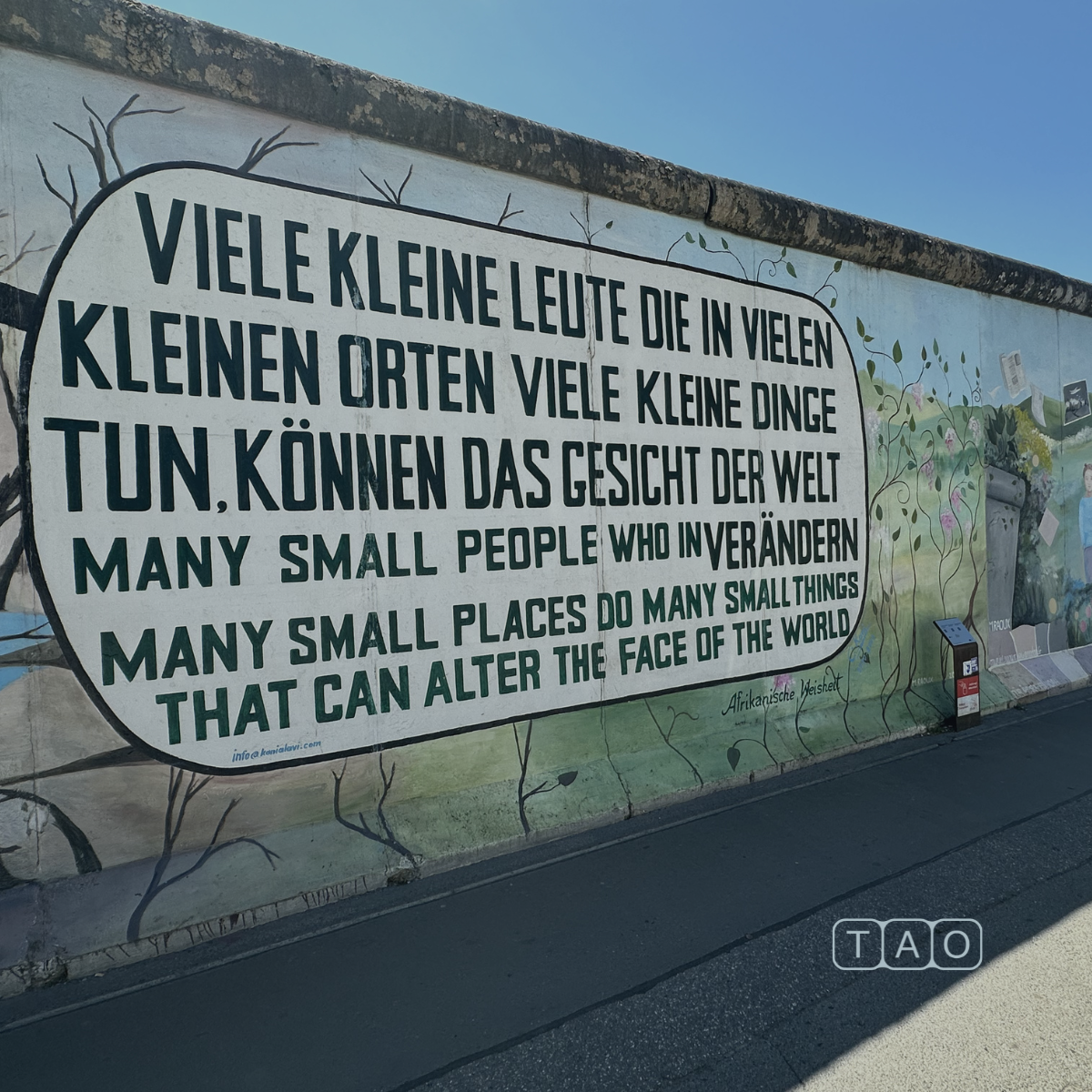
Shifting towards a Citizens Culture



This article explores what it means to shift from a consumer mindset to a citizen culture. One rooted in participation, agency and chosen accountability, and why this shift matters deeply for leaders and organisations navigating complexity today.
The Book Citizens, by Jon Alexander, is one of the most powerful and inspiring frameworks I have encountered for understanding how meaningful change happens both in society and in organisations.
The book speaks directly to the apathy and helplessness many people feel when faced with today’s global, social and organisational challenges. Alexander makes a compelling case for why we need to move away from a consumer culture, where responsibility is outsourced and expectations are transactional, towards a citizen culture characterised by participation, agency and shared accountability.
To step into being a citizen is to willingly take responsibility for what we have influence over.
Across the world, we see this citizen energy emerge most clearly in moments of crisis. Following the floods in Valencia in autumn of 2024, for example, citizens came together to clear mud and debris from their neighbourhoods, not because they were instructed to, but because they recognised what needed to be done and chose to act together.
This is chosen accountability in action. And it is precisely this quality that enables communities and organisations to navigate complexity with resilience and care.
What interests me most is this question: what are the inroads to cultivating a citizen culture in our everyday lives and work?
In organisational settings, a citizen culture is often what founders and leaders say they want: people who act with initiative, care about the whole, and contribute beyond narrow role boundaries. It is a culture where participation is invited, accountability is chosen, and wellbeing of people, communities and the system itself is taken seriously.
Traditional management thinking tells us that change must be driven from the top. The citizen story challenges this assumption. When leaders are grounded in purpose and create space for people to exercise their agency, cultural shifts accelerate naturally.
As JonAlexander puts it:
“People will only participate in purposeful work.”
This raises an important leadership question: can we genuinely invite employees, shareholders and customers into shaping the purpose of the organisation?
Doing so requires courage and it means going beyond profit alone.
Interestingly, profit has only been the primary purpose of corporations since the 17th century.Before that, companies existed to serve a public purpose. The word company comes from the Latin com (together) and panis (bread); a reminder that organisations were once places of gathering, contribution and shared sustenance.
When organisations reclaim a broader sense of purpose, one that includes the greater good, they create the conditions for participation, trust and shared ownership to emerge. A citizen culture becomes possible when people feel invited into something that matters.
Reflective questions for leaders
If you are curious about what this shift could look like in your context, these questions may help:
- How does our organisation’s purpose invite participation and shared ownership?
- Where do people have genuine opportunities to exercise agency beyond their formal role?
- How do I support team members to connect their individual purpose to the organisation’s purpose?
- How do I model humility and openness so others can contribute to shaping our collective direction?
- What small, purpose-led experiments could we try that create value beyond profit?
- How do we balance profit and purpose in a way that supports long-term sustainability?
- What legacy do I and we want this organisation to leave beyond financial success?
The narrative around citizen action is evolving. It is no longer confined to moments of disaster or protest. Increasingly, it is becoming a way of being and one that reawakens a sense of community, shared responsibility and contribution in our everyday work and lives.
For leaders and organisations willing to make this shift, citizen culture offers a powerful pathway towards resilience, meaning and collective impact.